Debatte aims to share knowledge – generously and critically, resisting the authoritarian drift with nuance. It draws on ideas and discussions from the Alliance for Critical Scholarship in Solidarity (KriSol). It offers three genres: Picks are short, introductory texts or commentaries on articles by other authors and published elsewhere, which we consider important and want to share with a wider public. Drops recommend publications by KriSol members. Posts are longer contributions that we write ourselves or ask others to write – reflections, reports, reviews, letters, short reports, comments, interviews …
-
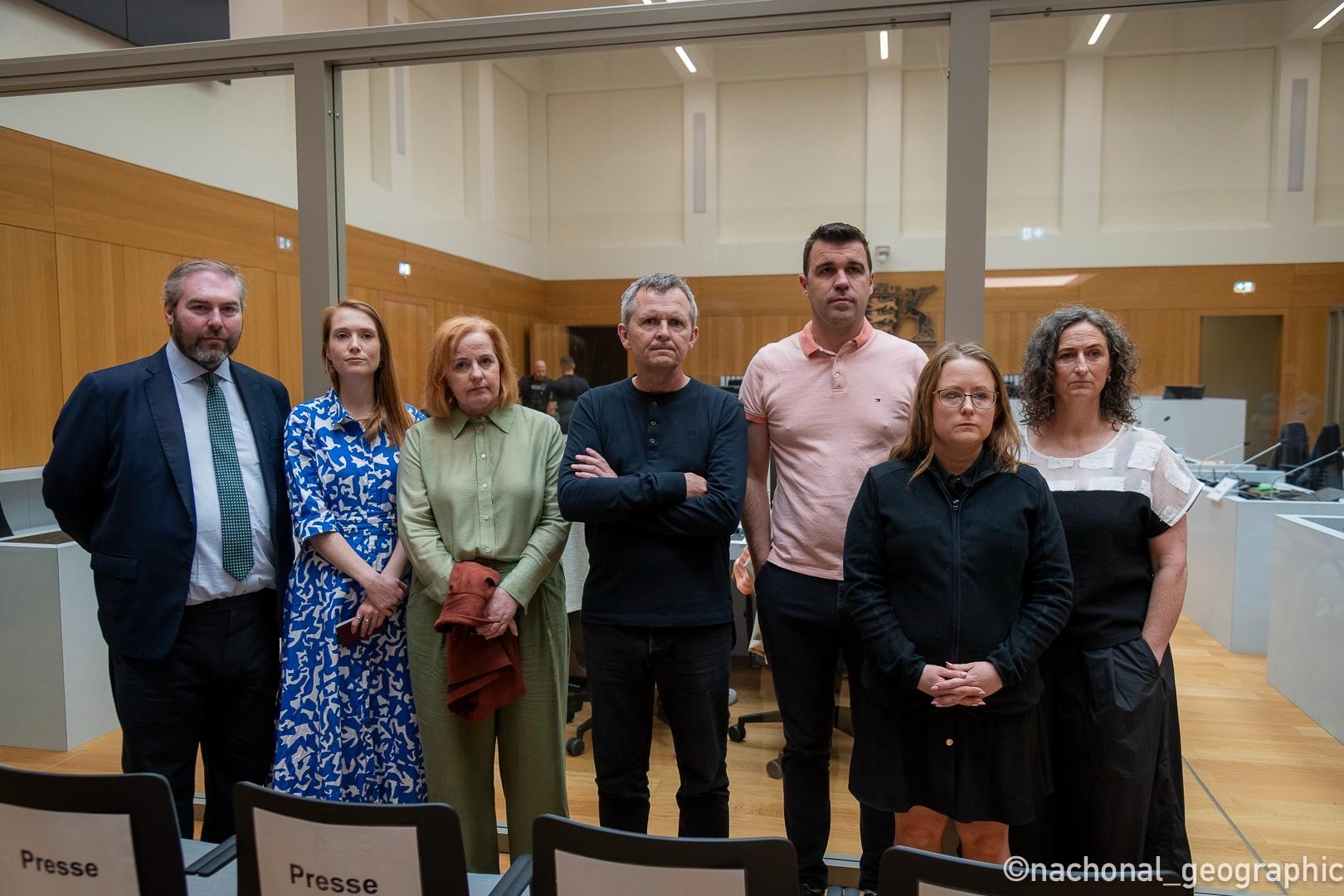
Absurd and Unjust: Notes from the 11th Day of Trial on July 22
The trial continues to drag on, plagued by delays and interruptions. Seven Irish lawmakers have come to see the situation for themselves. Nothing has changed regarding the extraordinary conditions of detention and trial, which curtail the defendants’ rights. There are absurd technical and translation problems. But Elbit’s responsibility for the mass war crimes in Gaza is nevertheless being addressed.
-

Playful: The police view on the Ulm5
Another update on the Ulm5 trial in Stammheim, covering July 1st and 3rd. The solidarity and the security are like nothing the author has seen before, having followed many criminal trials in the UK, a country known for its punitive and broken criminal justice system. Meanwhile in Stammheim, law enforcement agencies are getting caught up in contradictions, in spite of obvious attempts to coordinate.
-

Bulwark of the Old Order? Germany’s Position in the UN Tax Convention Negotiations in Light of its International Human Rights Obligations
Negotiations over the UN Framework Convention on International Tax Cooperation are entering a decisive stage, with a draft text expected in early August and questions of power, fairness, and global justice hanging in the balance. As the talks unfold, Germany faces a choice: help build a more just and inclusive international tax system, or defend a status quo that echoes old hierarchies of privilege. This post continues our coverage of what’s at stake in these historic negotiations.
-

The Ulm5 Trial: Hostility towards life
A brief update on what has happened in and around the Ulm5 trial in Stammheim from May 22 through June 29. It cannot be emphasized enough: The analogies to the Baader-Meinhof Gang (RAF)—artificially created by the symbolic choice of this trial location—are as harmful as they are false.
-

The Torturing Basilisk: Outlines of an Emerging New Form of Government
It is not “cyber-feudalism,” but racial capitalism and tech mercantilism that provide the framework for understanding the erosion of public services, the rendering of people redundant, and the growing fascisation in conjunction. An update and afterword to my essay “Capitalism with a Transhuman Face: The Afterlife of Fascism and the Digital Frotier” that was published in 2019.
-
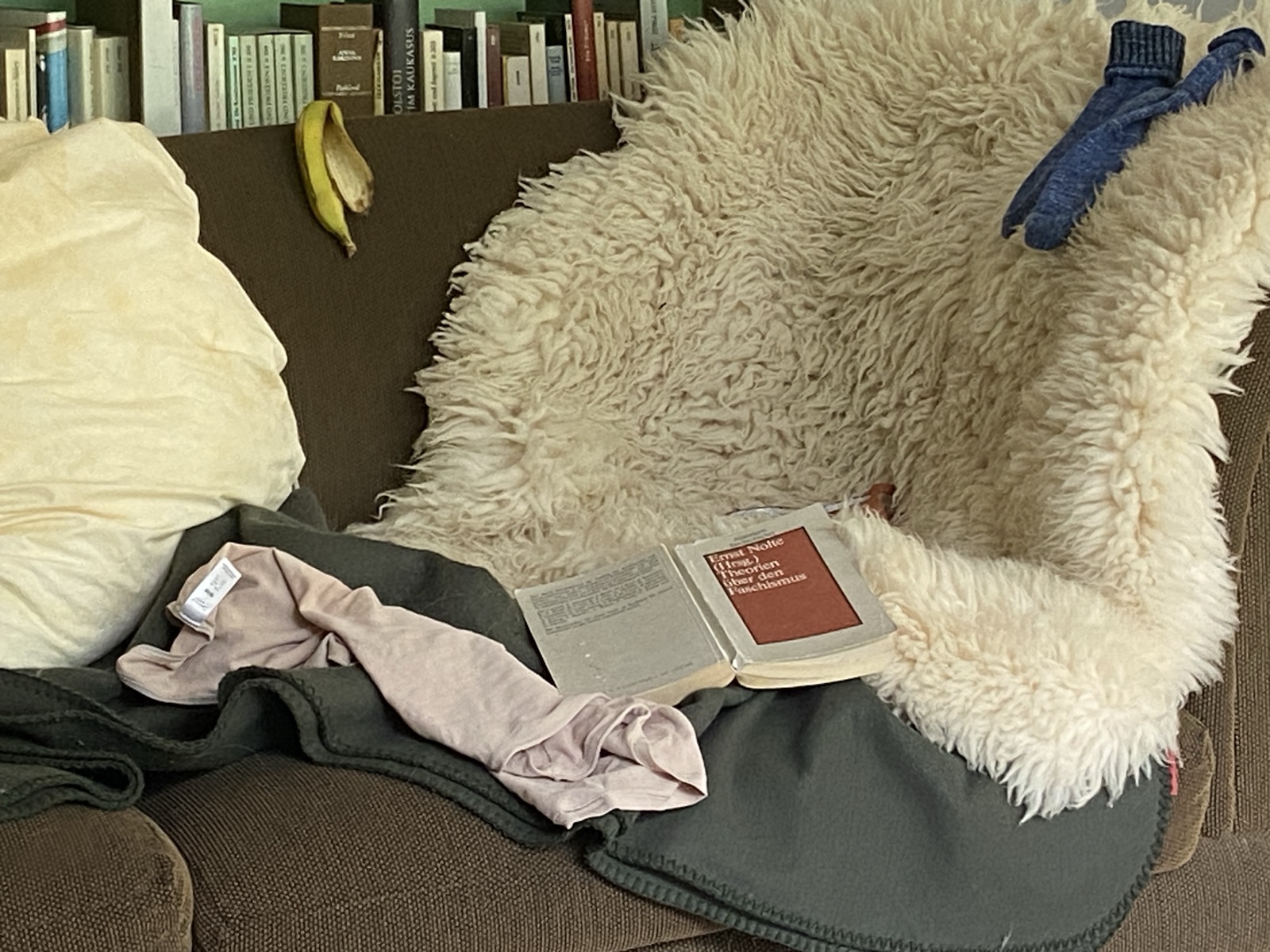
The interesting pleasure to accuse others of taking pleasure in accusing fascists
In the media debate over whether the concept of fascism is useful for understanding contemporary phenomena, the accusation that the term supposedly serves a need for belonging and a sense of morality is merely a distraction. Emotions are central, but in a different way than Reemtsma suggests. A process-oriented concept of fascicization, conceived in conjunction with the body of knowledge of Black, queer-feminist theory, points to the negative desire of a post-digital reactionary culture that, in the interest of raw material extraction, renders entire population groups—and ultimately humanity—superfluous and destroys our world: “posthuman fascism” (Samir Gandesha). It’s all a…
-
Are open letters generally ineffective, and if so, why?
Comparative literature scholar Juliane Prade-Weiss conducted a linguistic analysis of 23 open letters written after October 7 by academics and others, roughly half of which were “pro-Palestinian.” She identifies common rhetorical patterns and speech act characteristics in the letters that she considers detrimental to their respective goals. However, her complete decontextualization of the letters compromises the value of her findings.
-
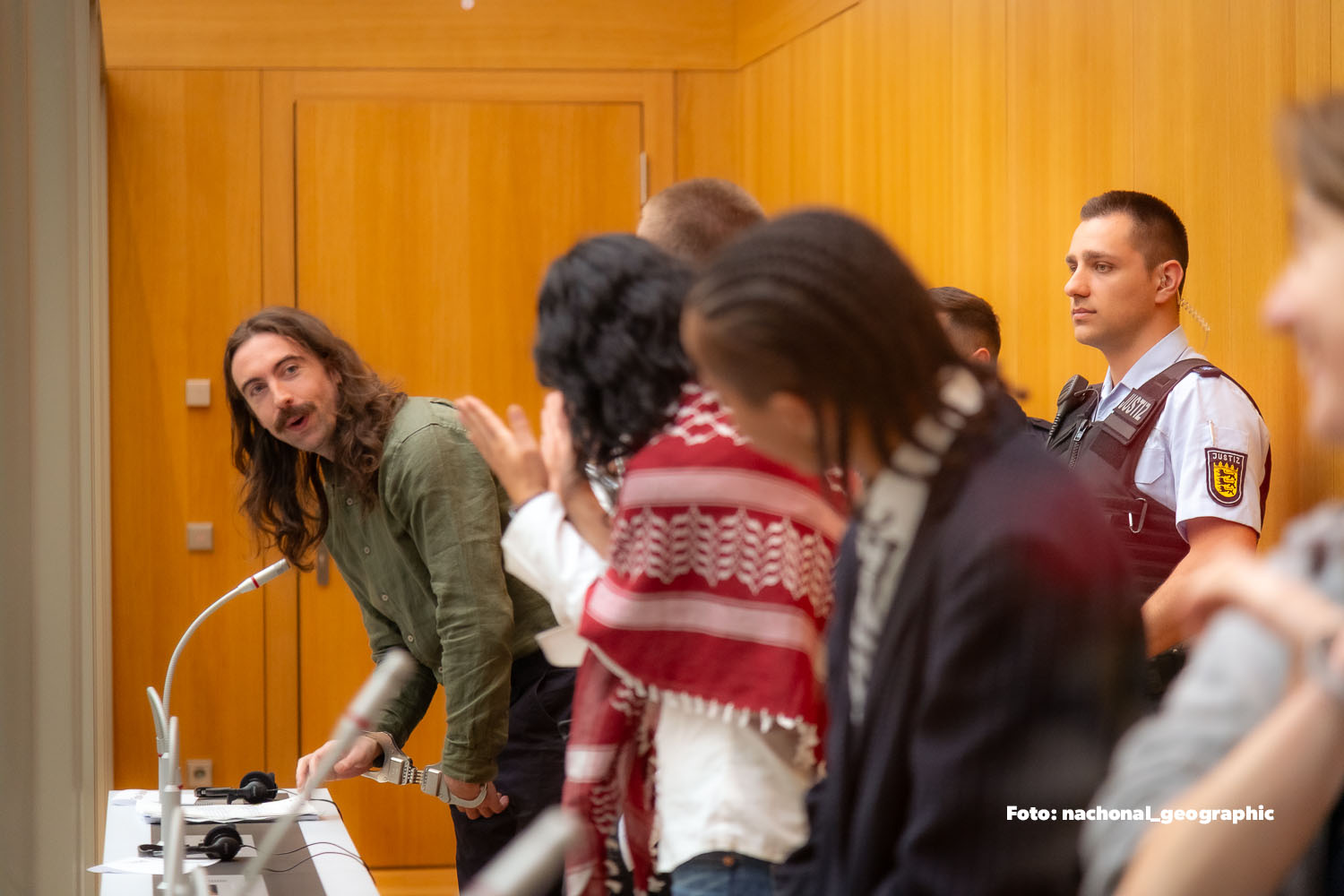
Report on the Stammheim trial against Ulm5 (until May 22)
In Stuttgart-Stammheim, the criminal trial against the five young people who broke into the Israeli weapons manufacturer Elbit Systems Germany in Ulm last September is progressing very slowly. Here is a report on the background and the first four days of the trial—up to May 22. It is not just the high-profile spectacle at this symbolic location; it is above all the details not reported in the media that are shaking confidence in the German rule of law.
-
Surplus Fascism
In the “New German Critique,” Daniel Loick and Vanessa E. Thompson see fascism not as the opposite, but the extreme form of the liberal-capitalist status quo. According to Marx, capitalism produces “surplus” population groups, which fascism eliminates. The essay analyzes current dynamics and advocates for a strategy to combat fascism that centers the fight against the marginalization of people.
-
Zionism always plays the game of the Right
Tomer Dotan-Dreyfus writes in “Jacobin” about why Zionism is fundamentally incompatible with left-wing values. It follows in the tradition of the inherently anti-Semitic, ethnically defined European nation-state. The left should be able to defend a universalist ethic even without invoking Jewish voices critical of Zionism.
-
Resistance to the Prison System
Harriet Clark’s autobiographical novel “The Hill” was recently published, and in this episode of the “On the Nose”/Jewish Currents, Harriet Clark and Arielle Angel discuss what it means to maintain family and social connections as the child of a mother who was incarcerated for 38 years. At first glance, a personal story, but for Clark and Angel, it is existential resistance.
-
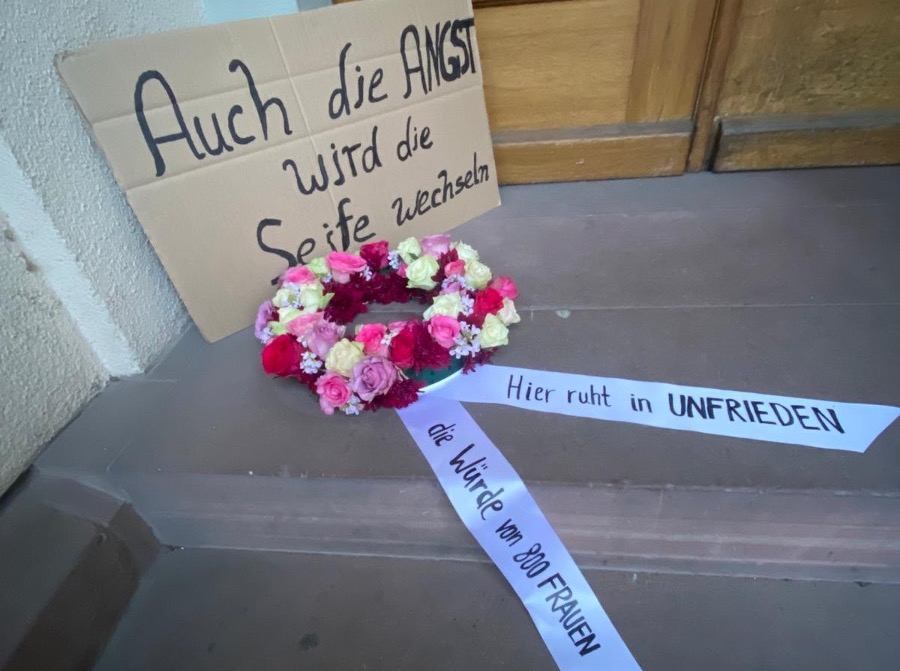
Rent, Power and Abuse at the University in Freiburg and its surroundings
An employee of the University of Freiburg secretly filmed hundreds of female students and staff members over a period of more than 15 years, in university rooms and restrooms as well as in an apartment he privately rented to female students. This is a clear case of criminal behavior, abuse of power, and sexual violence. The article criticizes how the matter was handled—both by state law enforcement agencies and the court, as well as by the university—and situates it within the broader context of the normalization of sexualized violence and its enablement by social inequality.
-
University of Belgrade: Police in the Faculty of Philosophy
As the situation at universities in Serbia is currently escalating, here’s another update: After police stormed the University of Belgrad’s administration building, massive pressure is now being exerted on both the administration and the Faculty of Philosophy. Universities worldwide are being called upon to protest.
-
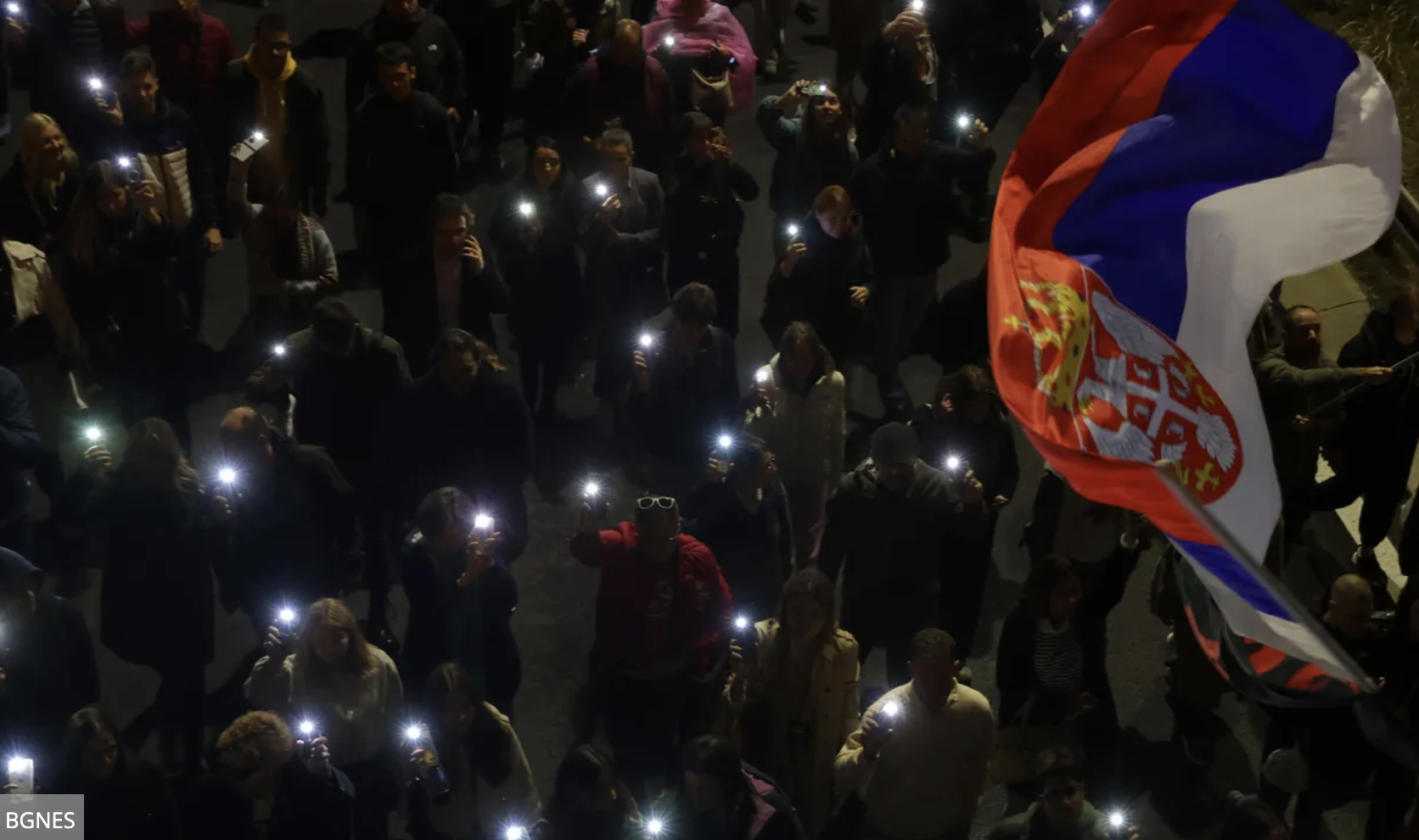
Serbia’s government ends the autonomy of universities altogether
For over a year, resistance against Serbia’s authoritarian and corrupt government has been organized primarily at universities. Repressive measures have now entered a new phase: The government can turn off the money tap for universities at the push of a button. Biljana Stojković, professor of biology at the University of Belgrade, and Natalija Stojmenović, political scientist and member of parliament, describe how higher education is being dismantled.
-

Tax the Rich: Finally a chance to overhaul the international tax system
Tax justice and effective human rights go hand in hand. An overwhelming majority of UN member states have recognized this fact and opened negotiations on a UN tax convention a year ago. International cooperation on tax matters is essential to prevent the fundamentally unjust global order of the rich and powerful from becoming further entrenched.
-
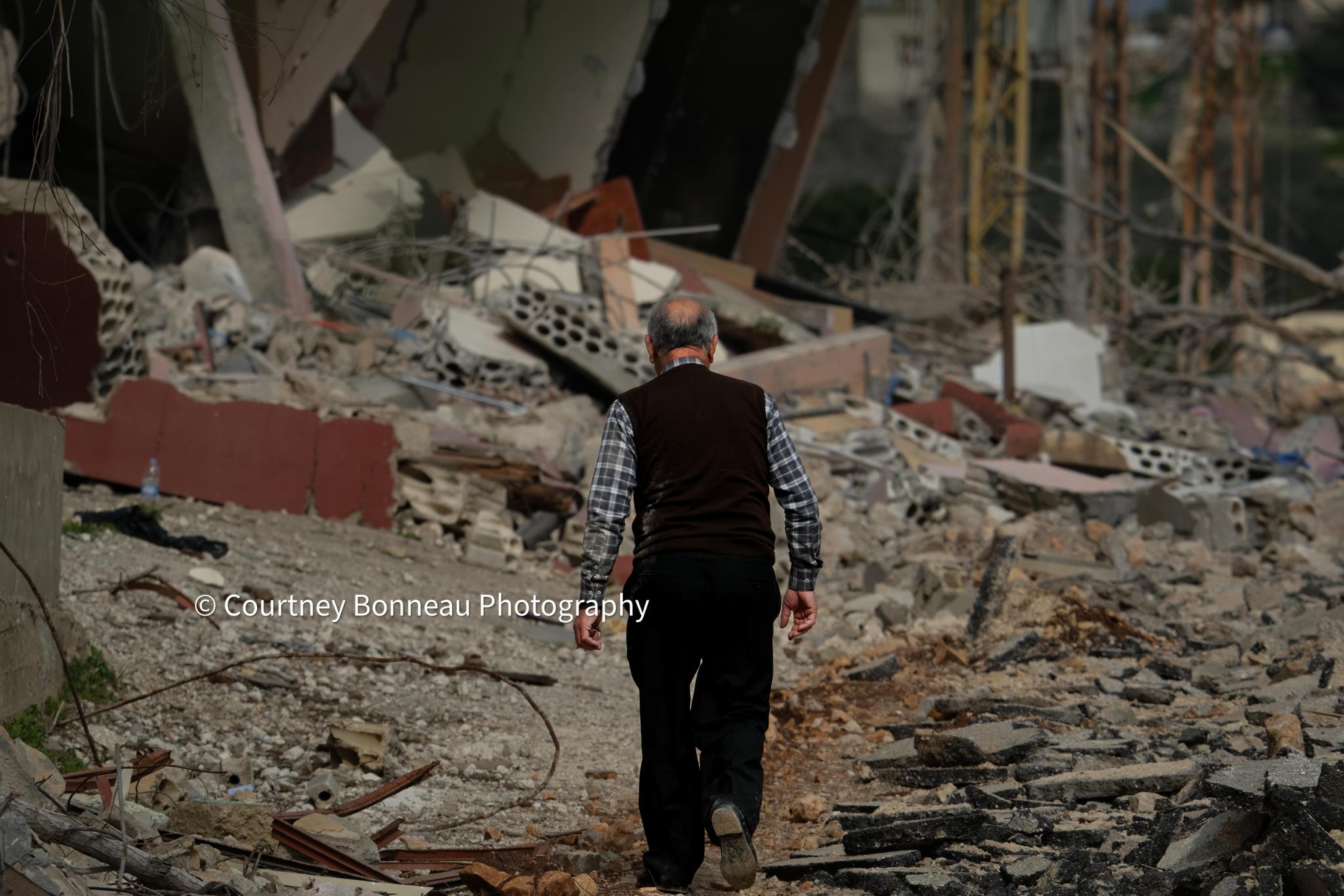
Lebanon and the Measuring of West Asia
The war between the United States, Israel and Iran has set West Asia ablaze—and Lebanon has once again become one of its frontlines. As a result, Carolin Loysa had to leave Lebanon on short notice, along with her family there. In this text, she tries to make sense of what is currently happening, describing Lebanon in the context of a far-reaching geopolitical reordering of the region, in which the country is less an actor than a stage for developments that extend far beyond its own political conflicts.
-
We are once again being fascisized
Patrick Eiden-Offe has published an essay in Merkur on the history of the theory and concept of the process of “fascization,” which has many advantages over the static concept of “fascism,” in particular its emphasis on openness, volatility, and elasticity. And it requires us to address the functional dependence of fascism and democracy.
-
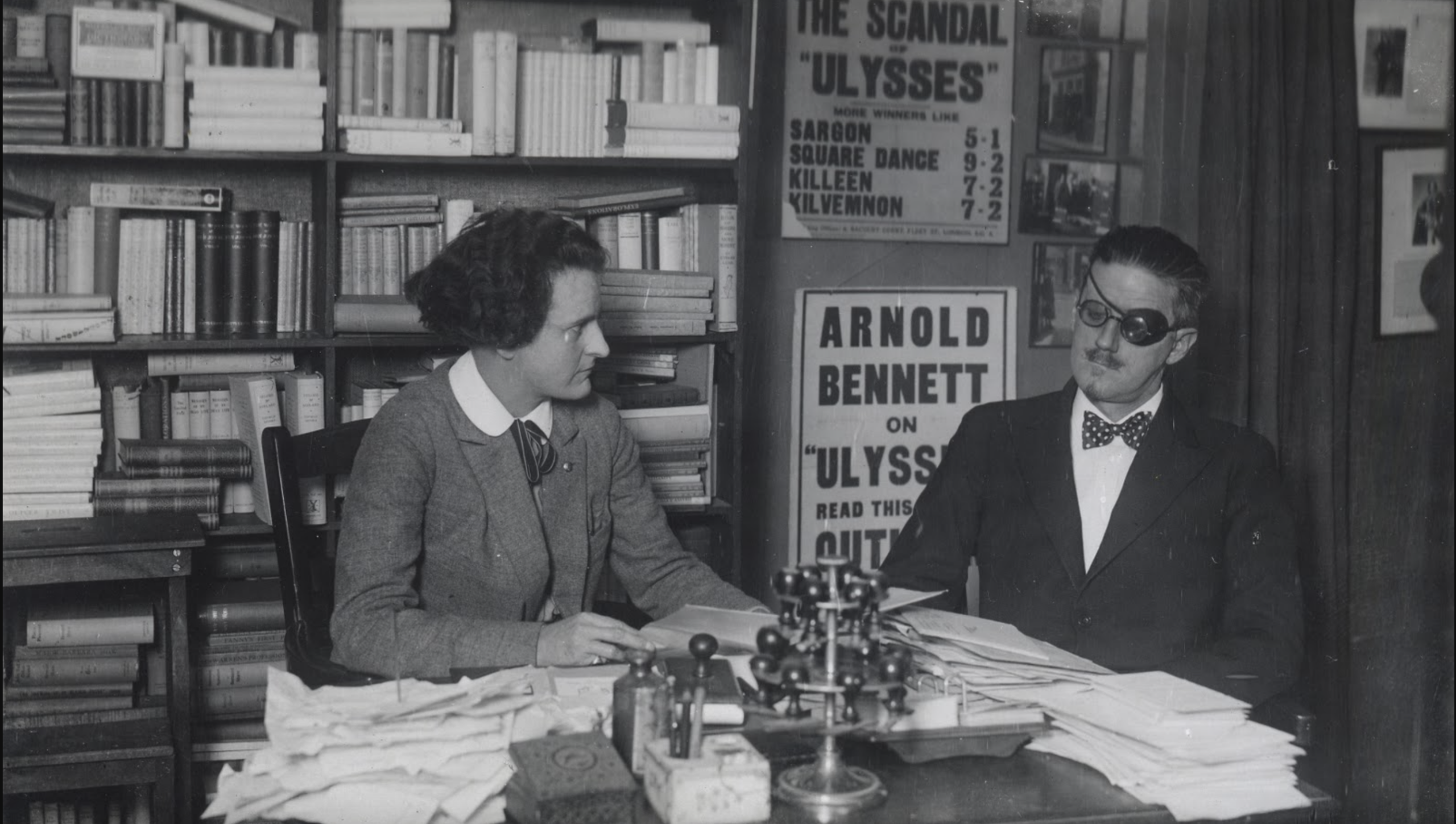
James Joyce in Ulm Prison
For alleged “security reasons,” no books may be donated to the prison library at Ulm Prison in south-west Germany, nor are prisoners allowed to be sent, or buy fiction, even from online retailers. Yet human rights also apply behind bars. The right to read is part of the right to education, access to ideas, and personal development. PEN should take this on.
Selected and offered by KriSol – A Space for Debate
The Editorial Collective currently consists of Marion Detjen, Julia Eckert, Isabel Feichtner und Christian Strippel.